
Same Lineage. Different Calling.
the tension of honoring lineage while choosing your own path
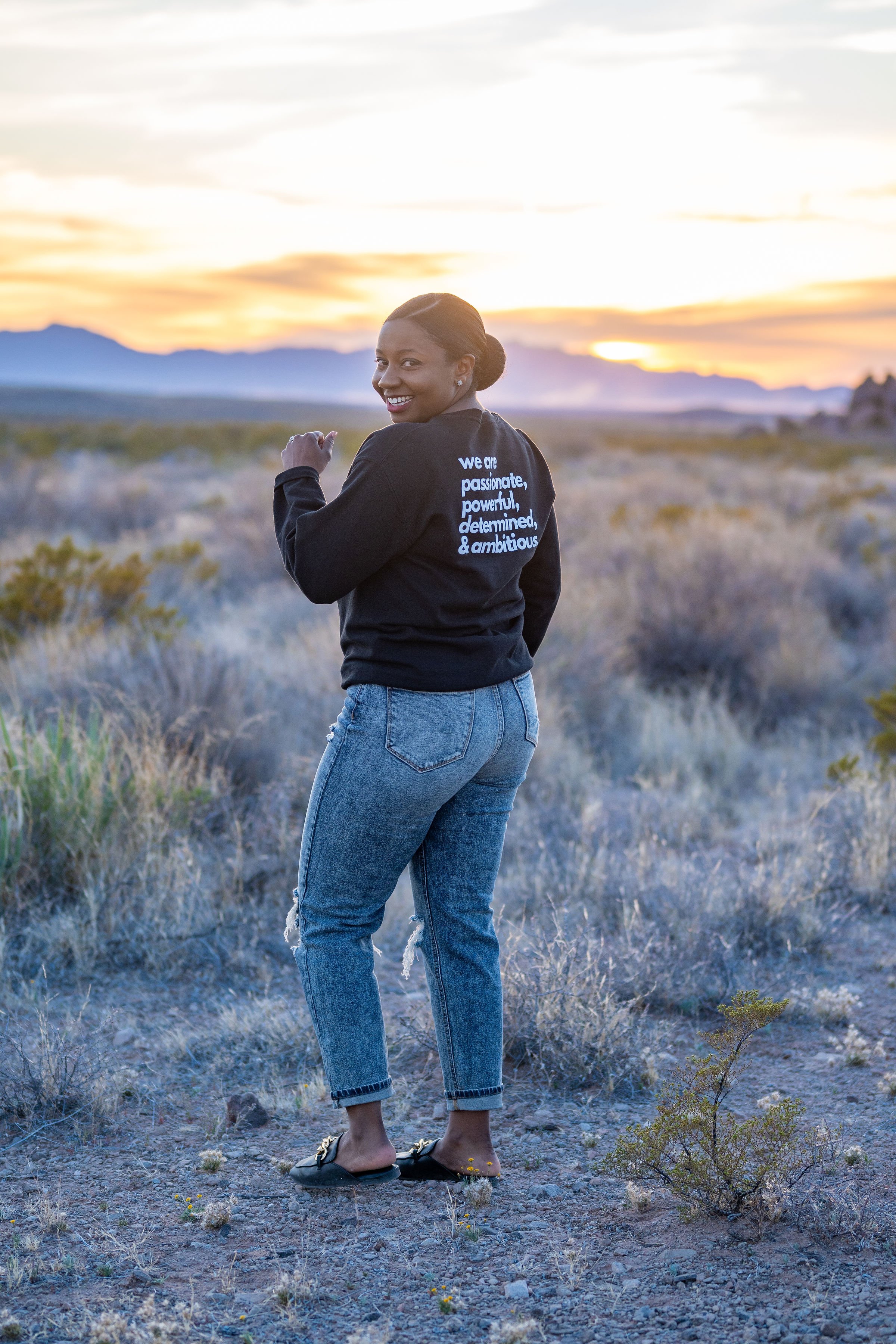
The women whose lives shaped mine healed people for a living. My great-grandmother. My grandmother. My mother. Nursing wasn’t just a career in my family — it was a legacy. So when I earned an Army scholarship to Georgia Southern University, the path felt obvious. I would follow the blueprint.
But something wouldn’t let me settle.
It happened quietly while still stationed at Fort Leonard Wood, MO; wrestling with what I would determine my program of study would be. I had spent my whole life trying to understand who I was — studying faces in family photos, telling people I was Irish (because of the last names Murphy and Welch), checking “other” on standardized tests because I didn’t yet know that being Black was the most powerful thing I could be. That hunger didn’t go away. It got louder.
I changed my major to History.
That decision led me to a white woman from Canada named Dr. Julie de Chantal who pushed my writing and thinking further than I knew I could go. It led me to the living room of Dorothy Pitman-Hughes — women’s rights activist and co-founder of Ms. Magazine alongside Gloria Steinem. No cameras. No publication. No lights. Just us; just two women talking.
She spoke to me like a granddaughter. She told me things that I felt she would have only told her daughters or closest family. She lit a fire in me that day and told me there was still so much work to do — for women, for Black women, for the culture. I left her house thinking let’s get it. Let’s get this work done.
She is the one who showed me we could get paid for our ideas. That we deserved to be.
If I had followed my family’s path I never sit in that living room. I never find that fire.
Their legacy is nursing. It is beautiful and it is theirs.
Mine was always going to look different. I just had to be brave enough to follow it.
And that is what I see in the women I work with every single day.
They are not failing at leadership. They are leading using a model that was never built for them — one that does not account for who they are, what they carry, or the life they are trying to sustain.
They are exhausted not because they are weak but because they are pouring themselves into a leadership model that was designed for someone else.
If I had pursued this work through health science I may have arrived at the same passion for women. But I would not have the same fire. I would not have the same foundation. And I would not have the same satisfaction standing in it.
Following someone else’s model of what a legacy should look like would have cost me the very thing that makes mine worth building.
You are not leading wrong. You are just leading from the wrong model.
That is exactly what the LEGACY framework was built to change.
The L in LEGACY represents — Learn from the Past. Not to repeat it. To let it point you toward yourself.